
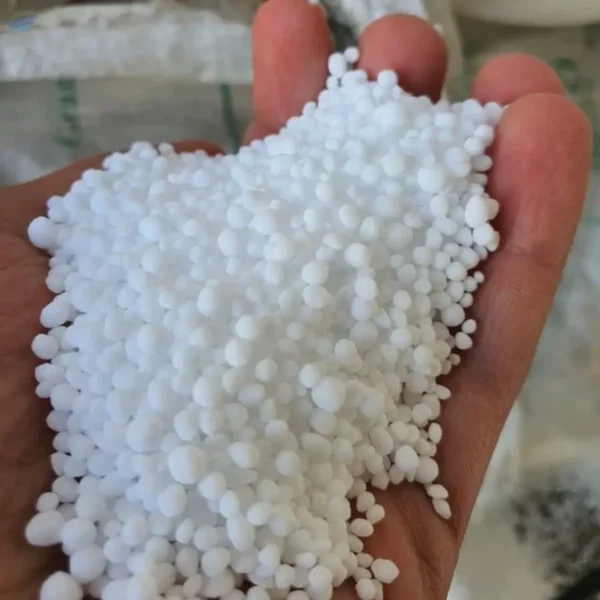
Product Information
Nitrogen (N) Fertilizers is a primary macronutrient essential for plant development, playing a central role in photosynthesis and protein synthesis. While the atmosphere is rich in nitrogen, plants cannot use it directly in its gaseous form. That’s where nitrogen fertilizers come in—they provide the accessible forms plants need to thrive.
Common research applications for nitrogen fertilizers include:
-
Cereal Crop Production: Enhancing yield and grain protein content in wheat, rice, and corn.
-
Foliar Feeding: Providing a quick nutrient boost directly through the leaves to correct deficiencies.
-
Fertigation: Application through irrigation systems for efficient nutrient delivery.
Chemical Structure and Formula
The chemical structure varies depending on the specific compound. The most common forms include:
-
Urea: Chemical Formula: CO(NH₂)₂ | CAS Number: 57-13-6
-
Ammonium Sulfate: Chemical Formula: (NH₄)₂SO₄ | CAS Number: 7783-20-2
-
Ammonium Nitrate: Chemical Formula: NH₄NO₃ | CAS Number: 6484-52-2
The Two Sides of Nitrogen: Quick-Release vs. Controlled-Release
Choosing the right fertilizer is a strategic decision. Different crops and soil types respond better to different forms of nitrogen. Research shows that “slow-release nitrogen fertilizers enhance crop production and reduce environmental pollution” . However, a meta-analysis of rice production in China pointed out that their slow release may sometimes “cause insufficient nitrogen supply in the early stages of crop growth” . This highlights the importance of matching the right product to your specific growth stage.
H3: Technical Details
Understanding the technical specifications of a nitrogen fertilizer is crucial for effective application. A Certificate of Analysis (COA) is your gold standard for verifying these parameters .
-
Total Nitrogen (N) Content: This is the primary measure of strength. Urea boasts the highest concentration at 46% N . Other products like Ammonium Sulfate contain 21% N .
-
Biuret Content: A crucial specification for urea. Biuret is a compound that can be phytotoxic (toxic to plants). Standard agricultural urea typically requires biuret to be ≤ 1.0% .
-
Moisture Content: High moisture can reduce the effective nutrient level and lead to caking. High-quality urea has a moisture content around ≤ 0.5% .
-
Granulation: The physical form matters for application. Urea is typically available in prilled (smaller particles) or granular (larger, more uniform particles) forms. Granulation impacts how the fertilizer is applied and how it disperses .
H3: Packaging Information
Nitrogen fertilizers are typically available in a variety of packaging options to suit different scales of operation :
-
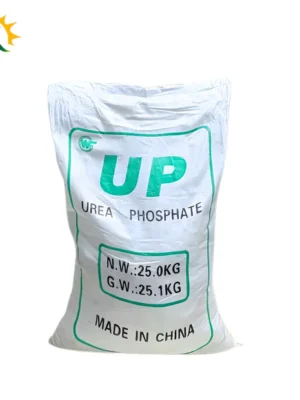
Standard PP Bags: Usually 50 kg bags for easy handling and distribution .
-
Big Bags (FIBCs): These can range from 500 to 1,000 kg, ideal for large-scale applications .
-
Bulk Shipments: For large agricultural operations, fertilizer can be shipped in bulk by vessel.
-
Liquid Solutions: For liquid forms like UAN 32%, standard formats include ISO-tank containers or 1000L IBCs .
Purity, Testing & Quality Assurance
When you purchase nitrogen fertilizer, you are paying for the nutrient content. Quality assurance ensures you get what you pay for and that it is safe to use .
A comprehensive quality control check involves testing chemical, physical, and functional parameters :
-
Chemical: Primary compound concentration and impurity levels (like biuret).
-
Physical: Moisture, anti-caking properties, and particle size distribution.
-
Functional: Water solubility and application performance.
Request the Current COA
Never hesitate to request a current Certificate of Analysis (COA) for the batch you are purchasing. A COA provides the actual lab-tested values for the parameters listed above, giving you confidence in the product’s quality . It is the definitive document that proves the fertilizer meets the required standards.
Shipping & Availability
Availability depends on the specific product and supplier. For standard agricultural grade urea, exporters like Egypt Globe Group ship with a minimum order quantity (MOQ) of 1,000 MT, typically with a 2–4 week lead time . It is always best to confirm with your supplier regarding current stock, pricing, and shipping terms.
Precautions
While nitrogen fertilizers are vital for agriculture, they must be handled with care.
-
Storage: Store in a cool, dry, well-ventilated area. High moisture can cause caking and degradation.
-
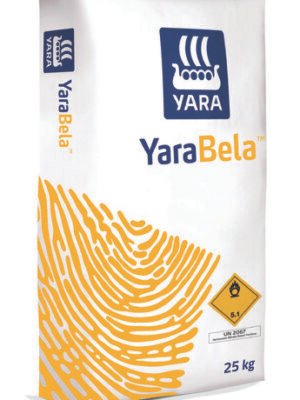
Handling: As an oxidizer, certain nitrogen fertilizers like ammonium nitrate can pose a fire risk. Always follow the handling instructions on the Safety Data Sheet (SDS). Ensure packaging complies with international transport regulations for hazardous materials .

External Backlinks Suggestions
To provide comprehensive value for readers, consider linking to these authoritative sources to further contextualize this information:
-
Environmental Impact: Link to reputable agricultural extensions or environmental agencies discussing the role of enhanced-efficiency fertilizers in reducing N2O emissions and nitrogen runoff.
-
Crop-Specific Guides: Link to university agricultural departments that provide specific application rates for different crops.



Reviews
There are no reviews yet.