
Urea Fertilizer: The Complete Guide to High-Efficiency Nitrogen Nutrition for Your Crops
Urea fertilizer is the gold standard for agricultural nitrogen supplementation. With its unrivaled 46% nitrogen content, this versatile compound delivers the essential nutrient that drives photosynthesis, protein synthesis, and robust plant growth. Whether you’re managing vast commodity crops, intensive vegetable production, or specialized horticulture, understanding how to effectively source and apply urea fertilizer is fundamental to maximizing yields and optimizing your fertilizer budget.
At IGSAS Fertilizer, we combine over 50 years of manufacturing expertise with a commitment to quality and reliable global supply. As the sole producer of urea in Turkey, our vertically integrated operations ensure consistent product quality, competitive pricing, and supply chain security for farmers and agribusinesses worldwide.
What Is Urea Fertilizer? Understanding the Chemical Foundation
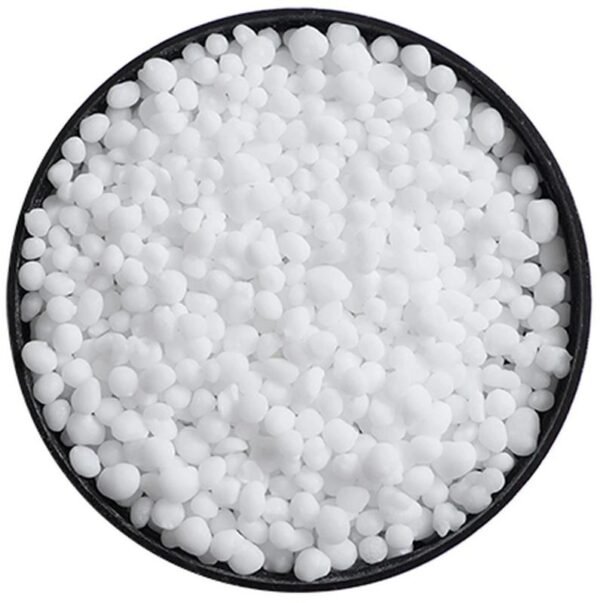
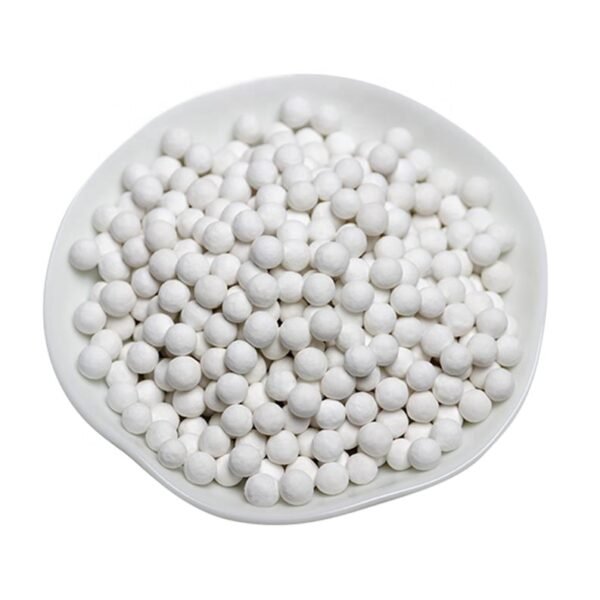
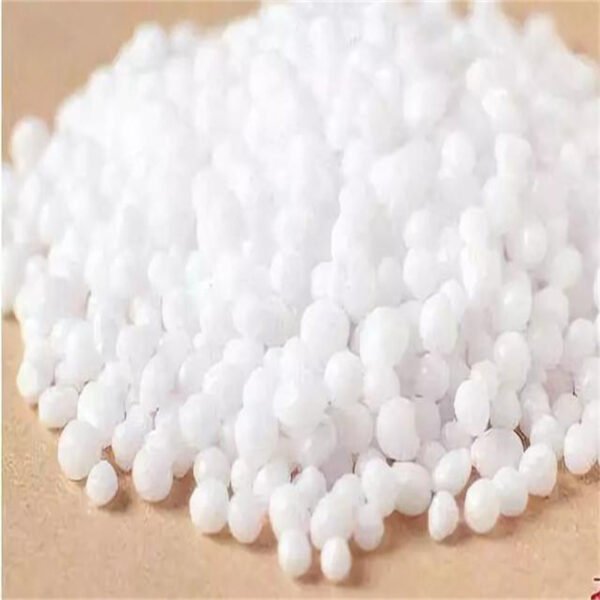
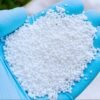
Urea, also known as carbamide, is an organic compound with the chemical formula CH₄N₂O and CAS Number 57-13-6. It appears as a white, crystalline, highly water-soluble solid that contains approximately 46% nitrogen—the highest concentration of any solid nitrogen fertilizer available.
The chemical structure of urea consists of a carbonyl (C=O) functional group attached to two amine (-NH₂) groups. This simple yet powerful molecular configuration makes urea an exceptionally stable and efficient source of nitrogen for plant nutrition.
Key Technical Specifications
| Parameter | Specification |
|---|---|
| Chemical Formula | CH₄N₂O |
| CAS Number | 57-13-6 |
| Molecular Weight | 60.056 g/mol |
| Nitrogen Content | 46% minimum |
| Melting Point | 132.7°C |
| Density | 1.335 g/cm³ |
| Solubility | Highly soluble in water |
Why Choose Urea Fertilizer? Key Advantages for Modern Agriculture
Urea fertilizer offers compelling benefits that make it the preferred nitrogen source for farmers worldwide:
High Nutrient Efficiency: At 46% nitrogen, urea delivers more concentrated nutrition per pound than any other dry nitrogen fertilizer. This high analysis significantly reduces handling, storage, and transportation costs compared to lower-grade nitrogen sources.
Application Versatility: Urea can be applied to soil as a solid granular or prilled product, dissolved in water for liquid application, or sprayed directly on crop foliage as a foliar nutrient supplement.
Safe Handling Characteristics: Urea usage involves little to no fire or explosion hazard, making it safe to store and apply with standard agricultural equipment.
Environmental Considerations: When properly managed, urea releases fewer pollutants to the environment compared to some alternative nitrogen sources.
Cost-Effective Nitrogen Supply: The high nitrogen concentration translates to lower application rates and reduced input costs per pound of actual nitrogen delivered to crops.
Prilled vs. Granular Urea: Understanding the Difference
Urea fertilizer is available in two primary physical forms, each with distinct handling characteristics:
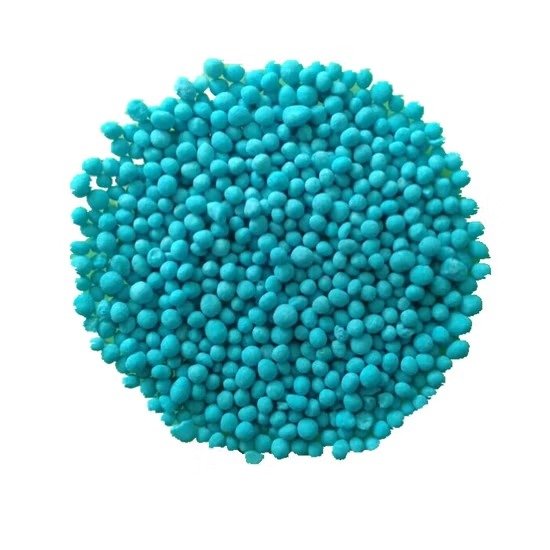
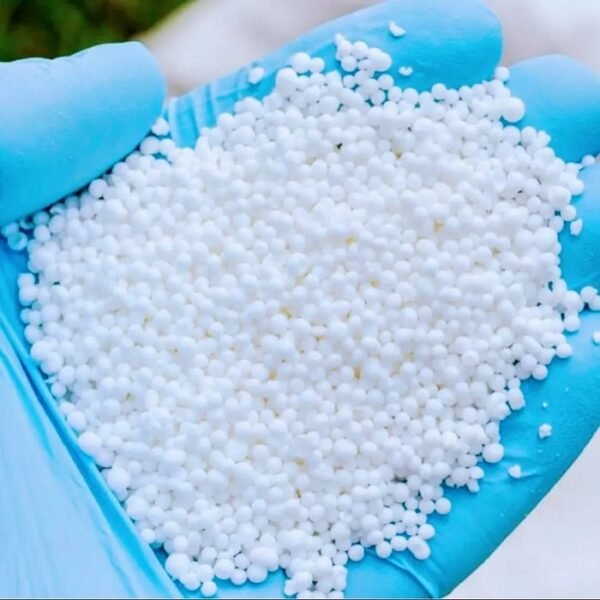
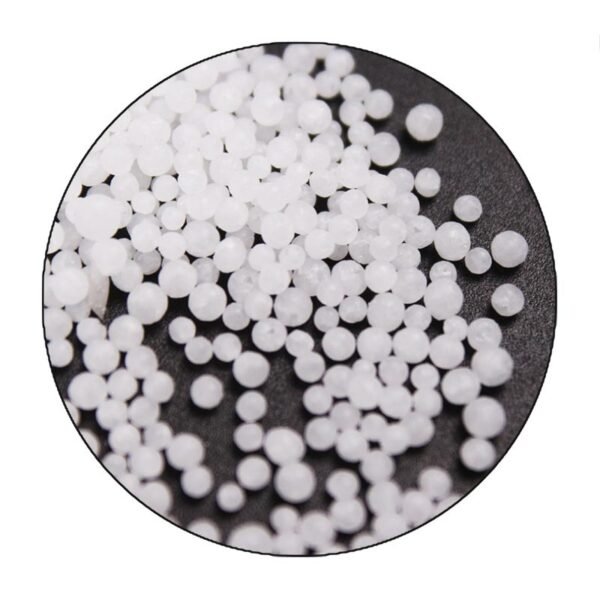
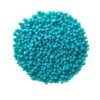
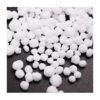
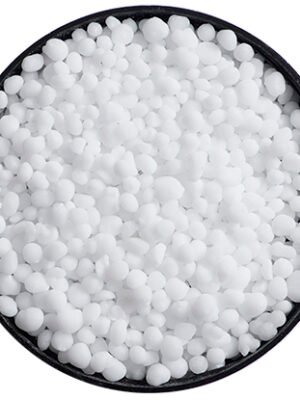
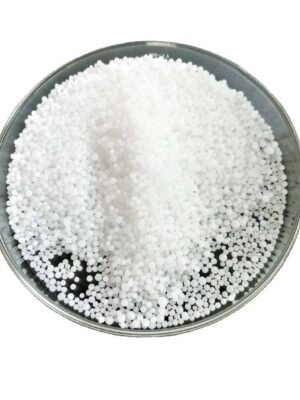
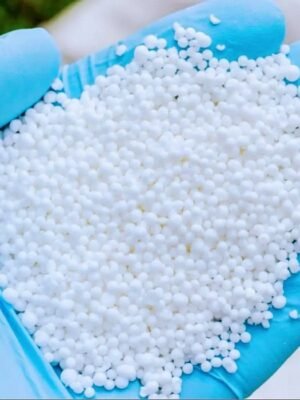
Prilled Urea features smaller, uniformly spherical particles (typically 1–2 mm diameter) that dissolve quickly and are suitable for foliar applications and rapid soil incorporation. Prilled urea generally has lower dust content and is preferred for liquid fertilizer manufacturing.
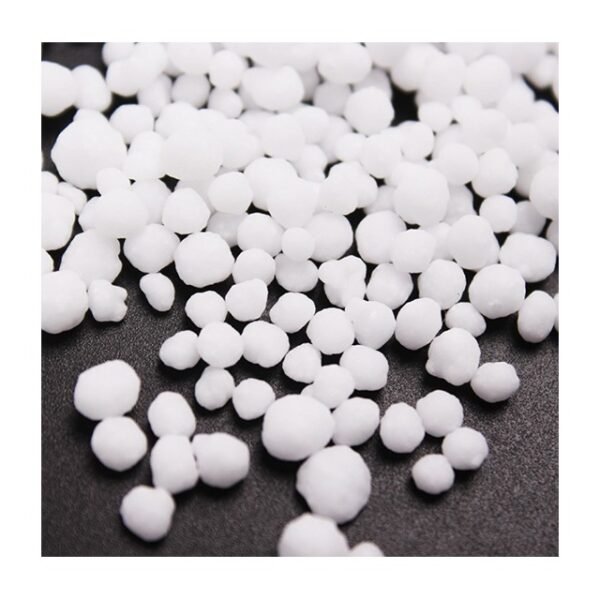
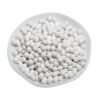
Granular Urea has larger particles (typically 2–4 mm diameter) with greater crushing strength and better flowability. Granular urea exhibits superior resistance to caking during storage and is preferred for bulk blending with other granular fertilizers.
Quality Specifications: What to Look For in Premium Urea Fertilizer
Quality assurance is paramount in fertilizer procurement. A reputable urea fertilizer supplier should consistently meet or exceed these technical specifications:
Nitrogen Content: Premium agricultural urea should contain a minimum of 46% total nitrogen. High-quality products typically deliver 46.3% nitrogen or higher.
Moisture Content: Maximum moisture should be below 0.5% to prevent caking and ensure accurate weight measurement. Premium grades maintain moisture content below 0.3%.
Biuret Content: Biuret is a compound that can be toxic to plants. Quality urea fertilizer should contain less than 1.0% biuret to minimize phytotoxicity risk. Superior grades achieve biuret content below 0.5% for seedling safety and sensitive crop applications.
Particle Size Distribution: Uniform particle size ensures even spreading and consistent nutrient distribution in the field. Granular urea should have 90% or more particles within the specified size range.
Appearance: Premium urea should be white, free-flowing, and essentially dust-free with consistent crystal or granular structure.
Technical Details: Application Guidelines for Maximum Effectiveness
To achieve optimal results with urea fertilizer, consider these technical application parameters:
Soil Incorporation: For maximum nitrogen efficiency, incorporate urea into the soil within 24–48 hours of application to minimize volatilization losses. Urea applied to the soil surface without incorporation can lose up to 30% of its nitrogen to the atmosphere.
Application Timing: Apply urea when soil temperatures are below 60°F (15.6°C) for best results. Higher temperatures accelerate the conversion of urea to ammonium carbonate, increasing the risk of gaseous nitrogen losses.
Foliar Application: Urea can be applied as a foliar spray at concentrations appropriate to crop type and growth stage. Foliar application provides rapid nitrogen uptake and is particularly effective for correcting nutrient deficiencies during critical growth periods.
Water Solubility: Urea is infinitely soluble in water, making it compatible with most liquid fertilizer applications and irrigation systems.
Packaging Information: Ensuring Product Integrity from Factory to Field
Quality packaging is essential for preserving urea fertilizer integrity and preventing degradation during storage and transport. IGSAS Fertilizer offers comprehensive packaging options tailored to customer requirements:
Standard Packaging: Durable woven polypropylene bags with polyethylene inner liners, net weight 50 kg (50 ± 0.2 kg), providing effective moisture protection and handling convenience.
Bulk Options: Available in 500 kg, 1000 kg, and 1500 kg container bags for large-scale commercial operations. Custom packaging options include:
-
Base Model (500 kg): Suitable for small to medium farms with standard handling equipment
-
Advanced Model (1000 kg): Enhanced UV resistance and moisture protection for tropical climates
-
Pro Model (1500 kg): Premium moisture-proof specification for extended storage in humid conditions
Container Loading: Standard 20-foot container holds approximately 20–25 MT of bagged urea, depending on packaging configuration and palletization requirements.
Storage Recommendations: Store in a cool, well-ventilated area, protected from moisture, water, and fire risk. Keep containers tightly closed and avoid storage temperatures above 23°C (73.4°F) to prevent caking and degradation.
Purity, Testing & Quality Assurance: Our Commitment to Excellence
At IGSAS Fertilizer, quality is not just a promise—it’s a rigorous, documented process. Our urea fertilizer undergoes comprehensive quality testing to ensure compliance with international standards including ISO 7761 and GB2440-2001.
Standard Quality Parameters Tested:
-
Nitrogen content (minimum 46%)
-
Biuret content (maximum 1.0%)
-
Moisture content (maximum 0.5%)
-
Particle size distribution
-
Crushing strength
-
Appearance and color consistency
-
Water insoluble matter
Third-Party Verification: We support independent testing by recognized agencies such as SGS and Bureau Veritas, providing an additional layer of quality assurance for our customers.
Batch Traceability: Each production batch is assigned unique identification, enabling full traceability from manufacturing through to final delivery.
Certificate of Analysis (COA): Every shipment is accompanied by a detailed Certificate of Analysis documenting the specific quality parameters for that production lot.
📄 Request the Current COA
We invite you to request the current Certificate of Analysis for our urea fertilizer product. Our quality team is ready to provide detailed specifications, including nitrogen content, biuret levels, moisture content, and particle size distribution for the most recent production batch. Contact our sales team today to receive your copy.
Shipping & Availability: Reliable Global Supply Chain
IGSAS Fertilizer maintains strategic inventory levels and robust logistics capabilities to ensure product availability when and where you need it:
Production Capacity: As Turkey’s sole urea manufacturer, our production capacity ensures consistent supply to global markets, supported by vertical integration and secure ammonia feedstock access.
Flexible Shipping Options: We offer multiple shipping configurations to meet diverse customer requirements:
-
Full container loads (FCL) for bulk commercial orders
-
Less than container loads (LCL) for smaller quantities
-
Container bag and bulk shipping options
Documentation Support: Complete shipping documentation including Bill of Lading, Certificate of Origin, Phytosanitary Certificate (where required), and quality documentation.
Global Reach: Our logistics network supports export to agricultural markets worldwide through major Turkish and European ports.
Common Research Applications
Urea fertilizer serves diverse applications across agricultural and scientific research:
-
Agronomic Field Trials: Evaluating optimal nitrogen application rates for specific crops and growing conditions
-
Nutrient Use Efficiency Studies: Researching methods to maximize nitrogen uptake and minimize environmental losses
-
Controlled-Release Fertilizer Development: Testing urea formulations with coating technologies for slow nitrogen release
-
Plant Physiology Research: Investigating nitrogen metabolism and protein synthesis in response to different nitrogen sources
-
Soil Chemistry Studies: Researching nitrogen transformations and soil organic matter dynamics
-
Irrigation and Fertigation Systems: Optimizing dissolved urea applications for drip and sprinkler irrigation
-
Foliar Nutrition Research: Developing efficient foliar application protocols for various crop types
-
Greenhouse and Nursery Production: Controlled environment studies on plant response to nitrogen nutrition
-
Crop Quality Research: Investigating the relationship between nitrogen management and end-product quality parameters
-
Environmental Impact Studies: Assessing nitrogen leaching, volatilization, and greenhouse gas emissions from urea applications
Precautions and Safety Information
Handling Precautions:
-
Store in a cool, well-ventilated area, away from moisture and incompatible materials
-
Avoid storage above 23°C (73.4°F) to prevent caking and degradation
-
Use appropriate personal protective equipment when handling bulk product
-
Prevent release to the environment to avoid water contamination
Application Precautions:
-
Do not apply to wet foliage during hot conditions to avoid leaf burn
-
Incorporate into soil within 24–48 hours of application to minimize volatilization losses
-
Avoid application on frozen or waterlogged soils
-
Follow recommended application rates to prevent nitrogen toxicity and environmental impacts
Environmental Precautions:
-
Keep away from water sources and drainage systems
-
Follow fertilizer best management practices to minimize nitrogen runoff
-
Consider weather conditions when scheduling applications
Toxicity Considerations: While urea has low acute toxicity, biuret (a common impurity) can be phytotoxic, particularly to germinating seeds and seedlings. Choose high-quality urea with biuret content below 1.0% for sensitive applications.
External Backlinks Suggestions
-
Agricultural Extension Services: University-based agricultural extension programs focused on crop nutrition
-
International Fertilizer Association (IFA) : Trade associations and regulatory bodies
-
Crop Science Journals: Publications covering fertilizer research and agronomy
-
Sustainable Agriculture Initiatives: Organizations promoting efficient nutrient management
-
Agricultural Equipment Manufacturers: Companies specializing in fertilizer application equipment
-
Soil Science Professional Organizations: Research and professional societies
-
Agricultural Research Centers: Institutions conducting fertilizer efficacy trials
-
Government Agricultural Agencies: National and regional agriculture departments
-
Farmer Cooperative Networks: Farmer organizations seeking reliable fertilizer sources
-
Greenhouse and Nursery Associations: Specialty crop production organizations
-
Irrigation and Fertigation Specialists: Companies and consultants in water/nutrient management
-
International Development Organizations: Programs supporting agricultural development
Disclaimer
This product information is provided for general informational purposes only and is based on currently available technical data and industry standards. Actual product specifications and performance may vary based on specific application conditions, environmental factors, and local agricultural practices. IGSAS Fertilizer strongly recommends that users:
-
Consult with qualified agronomic professionals for specific application recommendations
-
Conduct soil and crop testing to determine appropriate application rates and timing
-
Follow all local, national, and international regulations regarding fertilizer use and handling
-
Verify current product specifications, Certificates of Analysis, and Material Safety Data Sheets before use
Product availability, specifications, and pricing are subject to change without notice. Please contact IGSAS Fertilizer directly for current product information and specific technical support.
Ready to Source Premium Urea Fertilizer for Your Operation?
At IGSAS Fertilizer, we understand that reliable fertilizer supply is fundamental to agricultural success. Our 50+ years of manufacturing experience, combined with Turkey’s sole urea production capability, positions us as a trusted partner for farmers and agribusinesses worldwide. Contact our sales team today to discuss your specific requirements, request current Certificates of Analysis, or schedule a consultation on optimizing your nitrogen nutrition program.
This article is optimized for [Urea fertilizer] research and procurement. For the most current product specifications and availability, please consult the IGSAS Fertilizer website or contact our customer service team.


Reviews
There are no reviews yet.